
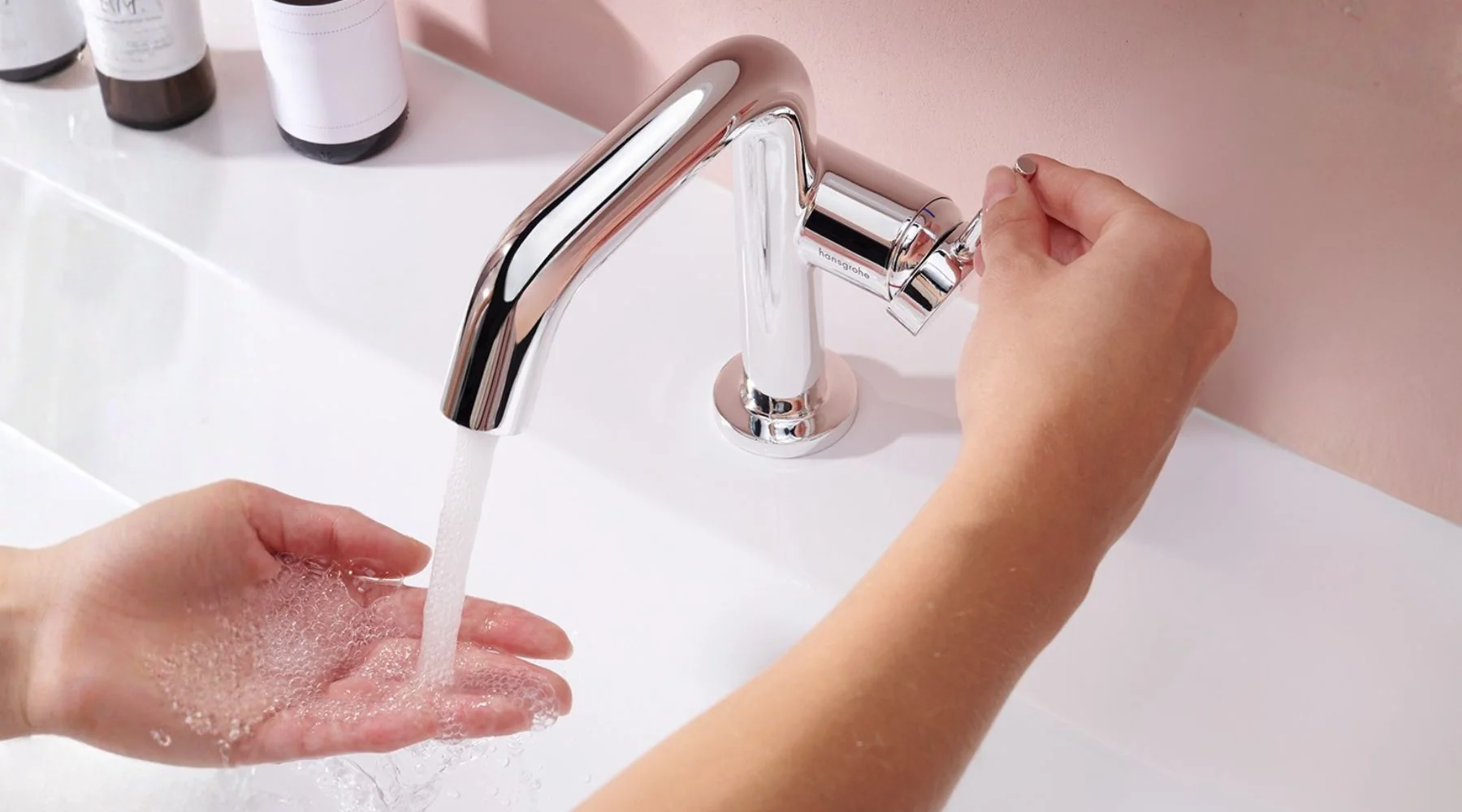
You walk into a showroom, and every tap looks stunning under those bright display lights. They all gleam. They all feel weighty in your hand. And the prices? They swing wildly, sometimes for products that look almost identical. So how do you tell the genuine performer from the pretty face that’ll start dripping within a year?
Bathroom shopping is full of these traps. The good news is that a handful of simple checks can tell you almost everything you need to know. Let’s cut through the marketing and figure out what actually earns its place in your bathroom, and what you can happily skip.
Why the Cheapest Option Usually Costs More
It’s tempting to grab the budget tap and move on. After all, water comes out either way, right? Not quite.
The trouble with rock-bottom fittings is that they fail in ways that cost you later. A cheap finish flakes. A weak cartridge starts to leak. A flimsy handle wobbles until it snaps. Suddenly you’re paying a plumber, buying a replacement, and living with a bathroom that feels worn well before its time.
Quality bath fittings work the opposite way. You pay a little more upfront, then forget about them for years. That’s the whole point of buying well: fewer headaches, fewer surprises, and a bathroom that still feels solid a decade on.
What to Actually Look for in Quality Bath Fittings
Not all fittings are built the same, even when they look it. Here’s what separates the workhorses from the disappointments.
- Solid brass construction. This is the gold standard for the body of a tap. Brass resists corrosion, handles daily use, and gives that reassuring heft. Lightweight zinc alloys feel cheaper because they usually are, and they don’t age nearly as gracefully.
- A proper warranty. A brand willing to guarantee its bath fittings for years is telling you something. Short or vague warranties often signal the maker knows the product won’t last.
- Certifications you can check. Look for recognized quality and water-safety marks. They’re not just stickers; they mean the product met real standards for pressure, durability, and safe drinking-water contact.
When you’re in the store, pick the fitting up. Feel its weight. Give the handle a proper turn. Cheap mechanisms reveal themselves fast, feeling loose or gritty even when brand new.
How to Evaluate Bathroom Tapware Like a Pro
Taps are where most people spend their money, so it pays to know what you’re judging. Good bathroom tapware comes down to three things that rarely show up in the showroom glow.
- Finish durability first. That mirror-chrome or matte-black surface takes a daily beating from water, soap, and cleaning cloths. Look for finishes labeled corrosion- and tarnish-resistant. A quality finish wipes clean and keeps its shine; a poor one clouds, spots, and eventually peels.
- Cartridge quality next. This is the heart of the tap, the part that controls flow and mixing. Ceramic disc cartridges are the ones you want. They’re smooth to operate, resist wear, and are the single biggest reason a tap keeps working smoothly instead of developing that maddening drip. When someone tells you a tap “feels” high quality, they’re usually feeling the cartridge.
- Water efficiency last, but far from least. Modern bathroom tapware often includes aerators that mix air into the stream. You get the same satisfying flow while using noticeably less water. Over a year, that shows up on your bill and does your conscience a favor too.
Picture two families who bought taps the same week. One chose a mid-range model with a ceramic cartridge and a certified finish. The other grabbed a flashy bargain. Two years on, the first tap still turns like new. The second drips at night and has water spots that no cleaner can shift. Same starting point, very different mornings.
Bath Essentials vs. Unnecessary Extras
Here’s where budgets quietly balloon: the add-ons. Showrooms are brilliant at making every accessory feel indispensable. Most aren’t.
True bath essentials are the things you touch and rely on every single day. A dependable mixer tap. A good showerhead. A sturdy towel rail. A reliable health faucet or bidet spray. Solid drainage. Get these right, and your bathroom simply works, day in and day out.
The extras are where you should pause. Illuminated mirrors, digital temperature displays, chrome soap towers, matching designer accessory sets. None of them are wrong, but none of them are essential either. They’re the flourishes you add once the fundamentals are covered, not before.
A useful test: ask whether a product solves a real, recurring problem or just looks impressive on a shelf. If it’s the latter, it can wait. Spend on the daily bath essentials first, and treat the rest as optional upgrades for later.
Where to Spend More and Where to Save
Spending well isn’t about spending less everywhere. It’s about putting your money where it does the most work.
- Splurge on the things you use daily. Your main mixer tap, your shower valve, and the cartridges inside them take constant use. Quality here pays you back every morning and saves you repair bills down the line.
- Splurge on anything hidden behind the wall. Concealed valves and internal plumbing parts are expensive and messy to replace. Cutting corners here is a false economy you’ll regret if a leak means opening up tiling.
- Save on visible accessories. Towel rings, soap dishes, and shelves are easy to upgrade later and rarely affect how the bathroom functions. Start simple; add character over time.
- Save on trend-driven finishes. A bold, fashionable color might feel dated in five years. A classic finish costs less to commit to and stays relevant far longer.
A Simple Buying Checklist Before You Commit
Run through these quick questions before you hand over any money:
- Is the tap body solid brass rather than lightweight alloy?
- Does it use a ceramic disc cartridge?
- Is the finish certified corrosion- and tarnish-resistant?
- What does the warranty actually cover, and for how long?
- Have you separated the true essentials from the nice-to-haves?
- Did you pick it up and test the feel with your own hands?
If you can answer confidently on all six, you’re buying smart. You’ve judged the product on how it performs, not just how it photographs.
Conclusion
The best bathroom isn’t the one with the flashiest fittings. It’s the one that works quietly and reliably every day, year after year. Focus on solid construction, judge tapware by its cartridge and finish rather than its shine, and cover your genuine essentials before you chase the extras.
Do that, and your fittings will do exactly what good ones should: punch well above their price, and let you forget all about them.

